Complete Guide to Pre & Post Workout Meals for Men
Discover the science-backed nutrition strategies that maximize your training results. Learn exactly what to eat before and after your workouts to build muscle, boost recovery, and achieve your fitness goals faster.
Why Meal Timing Matters for Your Training
The timing of your meals around your workout isn't just gym folklore—it's backed by sports science. When you consume the right nutrients before exercise, you provide your muscles with fuel and amino acids to perform at peak capacity. Your body can lift heavier, push harder, and sustain effort longer.
After your workout, the post-exercise window is critical for recovery. Your muscles are primed to absorb nutrients, rebuild damaged fibers, and replenish energy stores. A strategically timed post-workout meal accelerates protein synthesis and reduces recovery time between sessions.
This comprehensive guide breaks down pre and post-workout nutrition into actionable strategies you can implement today. Whether you're new to fitness or an experienced athlete, these evidence-based principles will help you optimize every meal around your training schedule.

The information on this site is for educational purposes only and does not constitute medical advice. Always consult a qualified healthcare professional before making health decisions.
Key Principles of Workout Nutrition
Fuel Your Performance
Consume carbohydrates and protein 2-3 hours before training to maximize strength and endurance during your session.
Hydration Foundation
Proper hydration before, during, and after exercise supports muscle function, nutrient transport, and recovery processes.
Protein Priority
Include protein in both pre and post-workout meals to support muscle repair and building lean mass effectively.
Individual Needs
Your body composition, training intensity, and goals determine your optimal macro ratios and portion sizes.

Pre-Workout Nutrition Strategy
Your pre-workout meal should arrive 2-3 hours before training. This window allows your digestive system to process the food while maintaining energy levels during exercise. The ideal composition includes complex carbohydrates for sustained energy and lean protein for muscle preservation.
Carbohydrates (50-60% of calories)
Brown rice, oats, whole grain bread, sweet potatoes—fuel your muscles with complex carbs that digest steadily.
Protein (20-30% of calories)
Chicken breast, turkey, fish, or plant-based options stabilize blood sugar and prevent muscle breakdown.
Healthy Fats (10-20% of calories)
Olive oil, avocado, nuts—support hormone production and sustained energy release during training.
If you're training in the morning with limited time, a smaller meal 45-60 minutes before works—banana with almond butter, Greek yogurt with granola, or a sports drink with protein.
Top 9 Pre-Workout Meal Ideas
These time-tested meals provide the right macro balance to power your training. Mix and match based on your schedule and preferences.
Oatmeal with Banana & Almond Butter
Half cup oats, one banana, two tablespoons almond butter. Mix with water or milk for a filling meal 2 hours before workout. Delivers 35g carbs, 12g protein, stable energy for 90+ minutes of training.
Chicken Breast with Brown Rice
150g grilled chicken breast, one cup cooked brown rice, steamed broccoli. The gold standard pre-workout meal—complete amino acid profile and sustained carbohydrate energy. Perfect 2-3 hours before training.
Greek Yogurt with Granola
150g Greek yogurt, one-third cup granola, handful of berries. Quick-digesting option for morning sessions. High protein yogurt with easily accessible carbs from granola—ready to fuel in 45-60 minutes.
Sweet Potato with Turkey
One medium baked sweet potato, 100g lean ground turkey, side salad with olive oil. Nutrient-dense choice loaded with vitamins and minerals. Medium-chain carbs provide steady energy without digestive heaviness.
Whole Wheat Toast with Eggs
Two slices whole wheat bread, three scrambled eggs, sliced tomato. Simple, reliable meal that combines complete protein with quality carbohydrates. Great for morning lifters—easy to prepare, easy to digest.
Salmon with Quinoa Salad
150g grilled salmon, one cup cooked quinoa, mixed vegetables. Premium choice combining omega-3 fatty acids, complete protein, and complex carbs. Supports both performance and hormonal health for sustained muscle growth.
Pasta with Lean Ground Beef
One cup whole wheat pasta, 100g lean ground beef (95/5), marinara sauce. Classic high-carb option ideal before high-volume training days. Pasta carbs digest steadily, providing sustained fuel for extended workouts.
Protein Pancakes with Berries
Two protein pancakes (1 scoop whey, egg, oats), topped with blueberries and honey. Fun, delicious option for weekend training. Whey protein absorbs quickly while oats provide steady carbohydrate energy.
Tuna Sandwich with Apple
Two slices whole grain bread, one can tuna (in water), lettuce, tomato, one medium apple. Convenient option for busy days. Tuna provides lean protein, whole grain bread delivers carbs, apple adds quick-digesting carbs and antioxidants.
The Optimal Meal Timing Strategy
3 Hours Before Training
This is your ideal window for a full meal. Your digestive system has ample time to process nutrients before exercise begins. Consume a balanced meal with 40-50g protein, 50-70g carbohydrates, and 10-15g healthy fat. Examples: chicken with brown rice, salmon with sweet potato, or pasta with lean meat. This timing ensures optimal nutrient absorption and sustained energy throughout your workout without causing digestive discomfort.
90 Minutes Before Training
For athletes with shorter preparation windows, a moderate meal works effectively. Include 25-30g protein and 35-45g carbohydrates—roughly 300-400 calories. Try oatmeal with banana, Greek yogurt with granola, or a turkey sandwich. This allows digestion while maintaining energy, though intensity may slightly vary compared to the 3-hour window. Most lifters can comfortably train after this timeframe.
45-60 Minutes Before Training
Morning lifters and early risers often use this window. Choose easily digestible options: banana with almond butter, toast with honey, sports drink with protein, or a protein shake with quick carbs. Keep portions moderate (150-250 calories) to avoid stomach distress during exercise. Focus on quick-digesting carbohydrates and minimal fiber to prevent gastrointestinal issues during intense movement.
Post-Workout Recovery Window (0-30 Minutes)
Immediately after training, your muscles are primed for nutrient absorption. Consume carbohydrates and protein within 30 minutes to maximize recovery. A ratio of 1:3 to 1:4 (protein to carbs) works well—example: 30g protein with 90-120g carbs. Fluid is essential too. This post-exercise meal initiates muscle repair, replenishes glycogen stores, and reduces cortisol (muscle-breakdown hormone). Think chocolate milk, pasta with chicken, rice with salmon, or a protein shake with fruit.
2 Hours Post-Workout
If you missed the immediate post-workout window, a meal within 2 hours still provides solid recovery benefits. By this time, your muscles remain receptive to nutrients but the urgency decreases. Enjoy a normal balanced meal with adequate protein, carbohydrates, and healthy fats. Your body continues muscle protein synthesis for hours after training, so consistent protein intake throughout the day matters as much as the immediate timing.
Pro Tip: Consistency Over Perfection
Your meal timing doesn't need to be exact. Research shows that staying consistently within these windows while maintaining overall daily protein intake (1.6-2.2g per kg body weight) drives results. Missing the 30-minute post-workout window but eating within 2 hours still supports muscle growth. Focus on the principles, not rigid timing—train hard, eat well, and progress follows.
Post-Workout Recovery Nutrition
After your workout ends, recovery begins. Your muscles have just experienced microtrauma from resistance training or intense cardio. The nutrients you consume in the hours following exercise determine how quickly you rebuild stronger. This window is when protein synthesis peaks and your body is most receptive to amino acids and carbohydrates.
Post-workout meals serve multiple critical functions: they stop muscle breakdown, replenish depleted glycogen stores, reduce inflammatory markers, and kick-start the adaptation process that makes you stronger. Neglecting post-workout nutrition means leaving gains on the table.
Fast-Digesting Carbohydrates
White rice, white bread, sports drinks, or fruit rapidly restore muscle glycogen depleted during training.
Complete Protein Sources
Whey protein, chicken, fish, eggs—provide all nine essential amino acids for muscle repair and growth.
Adequate Hydration
Water, electrolyte drinks, or coconut water replenish fluids lost through sweat and support nutrient delivery.
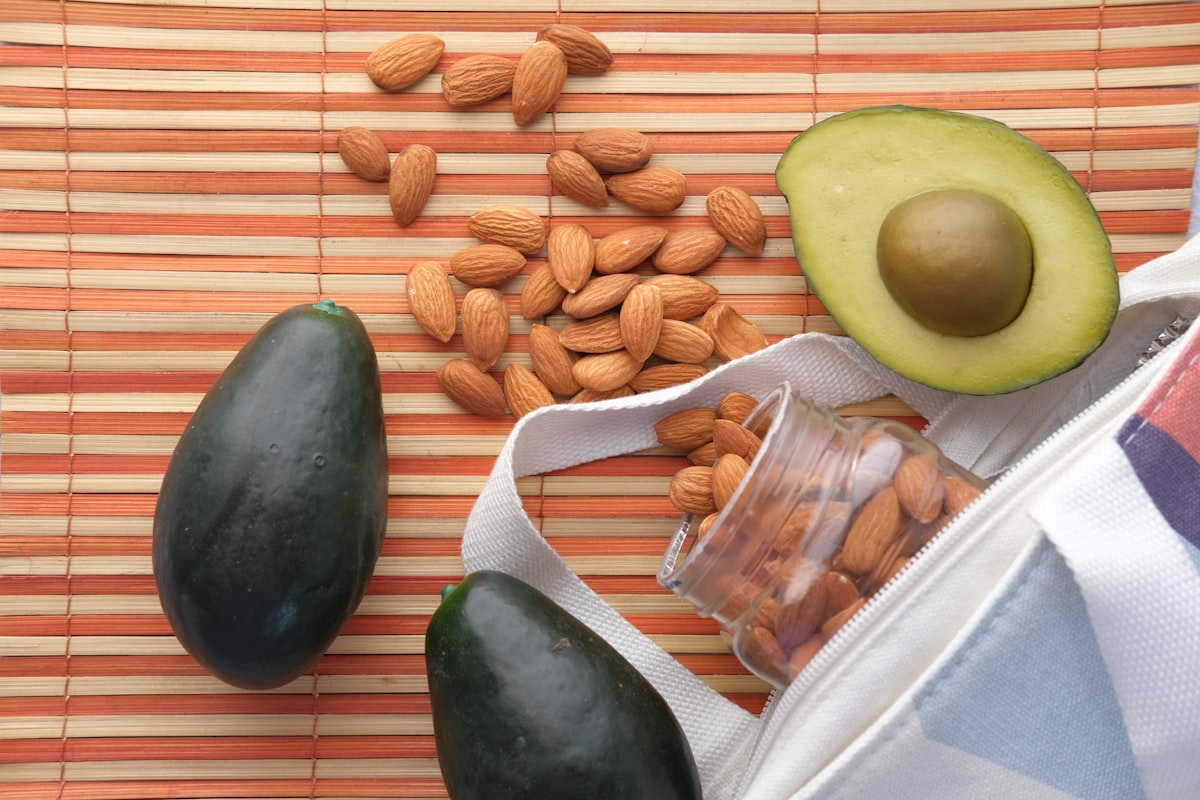
Post-Workout Recovery Meal Showcase
These evidence-based recovery meals maximize muscle protein synthesis and glycogen replenishment. Choose based on your training style and available time.

Chicken & White Rice Bowl
150g grilled chicken breast, 150g white rice, steamed broccoli, salt to taste. The classic post-workout meal—simple, effective, delicious. White rice absorbs quickly to restore glycogen while chicken provides 40g pure protein for muscle rebuilding.
Protein: 40g | Carbs: 55g | Fat: 3g
Perfect for: Heavy lifting, strength training
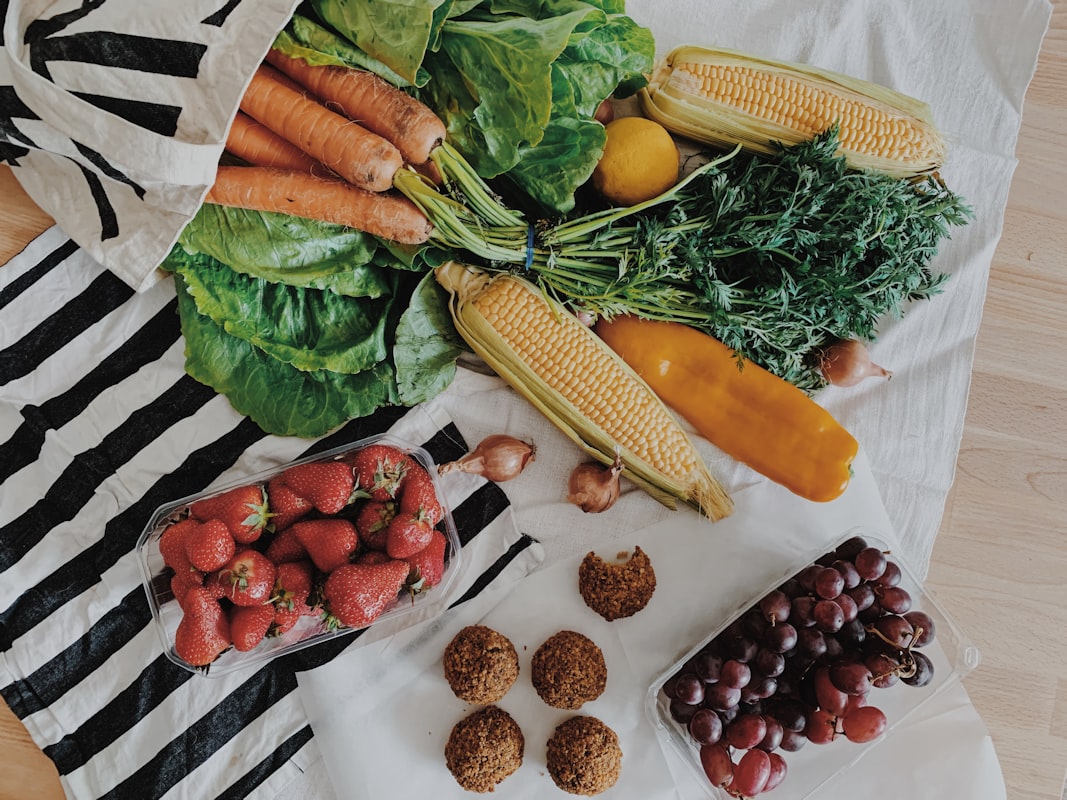
Chocolate Milk & Banana
One cup low-fat chocolate milk, one medium banana. Fast, convenient, and affordable recovery option. The carbs and protein ratio supports muscle repair without breaking the bank.
Perfect for: Budget-friendly, quick recovery
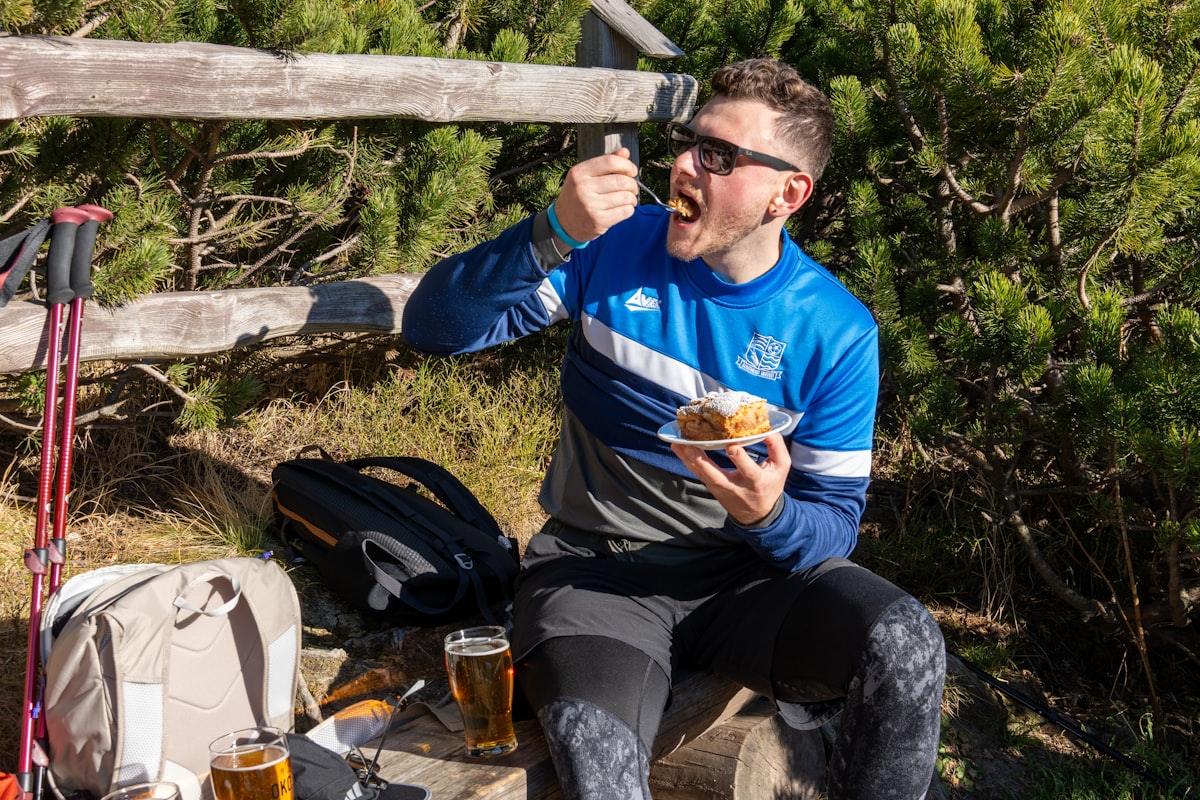
Greek Yogurt Parfait
Greek yogurt with mixed berries and granola. High protein content supports muscle recovery, while antioxidants reduce inflammation and aid overall recovery performance.
Perfect for: Muscle recovery, anti-inflammatory
What Our Readers Say
James Mitchell
Fitness Enthusiast
"These post-workout nutrition tips completely transformed my recovery routine. I feel stronger and recover faster than ever before!"
Robert Kim
Personal Trainer
"I recommend Menshealthpower to all my clients. The science-backed advice has helped my athletes achieve their goals faster."
Marcus Coleman
Strength Coach
"Finally found reliable information on men's nutrition and recovery. The practical tips are easy to implement and deliver real results."
Frequently Asked Questions
When should I eat post-workout meals?
Ideally within 30-60 minutes after your workout. This window allows your muscles to rapidly absorb nutrients for optimal recovery and growth. However, eating within 2 hours post-exercise still provides significant benefits.
How much protein do I need after training?
Most experts recommend 20-40 grams of protein per post-workout meal. The exact amount depends on your body weight, training intensity, and overall fitness goals. Aim for a 3:1 or 4:1 carb-to-protein ratio for best results.
Can I skip post-workout nutrition?
While not ideal, occasional skipping won't sabotage progress. However, consistent post-workout nutrition significantly enhances muscle recovery, growth, and performance. Make it a priority for optimal results.
Are supplements necessary?
Whole foods should be your foundation. Supplements like protein powder, creatine, and BCAAs can be convenient additions but aren't essential if your diet covers your nutritional needs. Focus on whole foods first.
Does post-workout nutrition affect weight loss?
Strategic post-workout nutrition supports muscle retention during calorie deficits, boosts metabolism, and improves workout performance. This indirectly supports weight loss goals. Focus on adequate protein and controlled portions.
Start Optimizing Your Recovery Today
Implement these proven post-workout nutrition strategies and watch your muscle growth, strength, and performance skyrocket. Your body will thank you.
Science-backed information trusted by thousands of men worldwide.